Key trends in turbine upsizing, deepwater migration, battery storage integration, and marine engineering localization.
Within Southeast Asia, Viet Nam stands out as one of the fastest-growing renewable energy markets. Beyond rapid growth in total installed capacity, Viet Nam’s wind sector is undergoing structural shifts in technology, operational models, and supply chains. In the 2026–2030 period, five key trends are expected to shape the domestic and regional wind industry landscape.
1. Project Migration from Nearshore to Deepwater AreasIn Viet Nam, the majority of early-stage wind projects have been concentrated onshore or in shallow nearshore intertidal zones (particularly along the Mekong Delta coastline), utilizing concrete pile foundations. Currently, the developmental focus is gradually migrating toward deeper offshore waters.
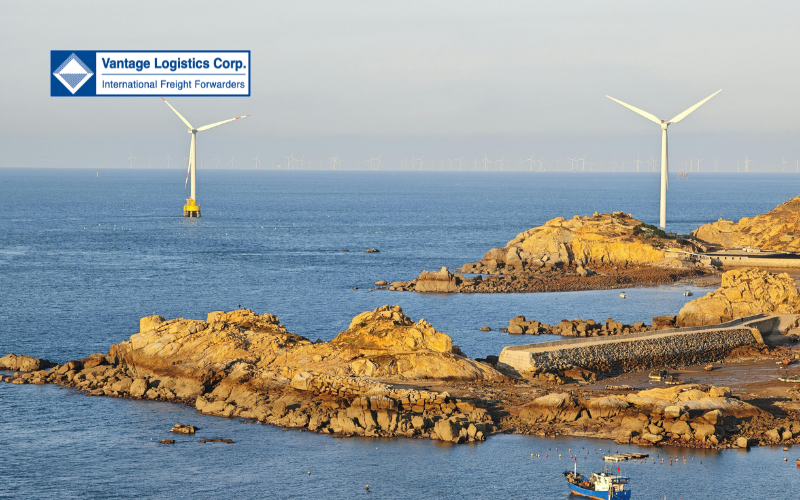
One of the primary technical levers to optimize the Levelized Cost of Energy (LCOE) in wind power projects is increasing both the rated capacity and physical dimensions of wind turbines.
According to the development roadmap projected by the World Bank Group for the Vietnamese market, offshore wind turbine specifications are anticipated to evolve across distinct phases.
|
Installation Period |
Typical Turbine Capacity |
Rotor Diameter |
Average Project Size |
|
Earlier generation |
10 MW |
174 m |
300 MW |
|
Around 2030 |
16 MW |
250 m |
500 MW |
|
2035 outlook |
20 MW |
290 m |
1,000 MW |
Source: World Bank – Offshore Wind Roadmap for Viet Nam
Shifting toward next-generation turbine platforms ranging from 16 MW to 20 MW reduces the number of foundations required for a given marine area, shortens inter-array cabling requirements, and lowers long-term operations and maintenance (O&M) costs per megawatt of installed capacity.
3. Grid Integration of Battery Energy Storage Systems (BESS)Given the variable nature of wind energy, the adjusted PDP8 framework encourages the integration of Battery Energy Storage Systems (BESS) at utility-scale renewable plants to stabilize supply.
To meet the technical demands of next-generation turbines – featuring blades exceeding 100 meters and components weighing hundreds of tons – Viet Nam’s wind supply chain is gradually transitioning toward localized equipment manufacturing.
Instead of relying entirely on imports, the domestic market is leveraging its established heavy engineering, shipbuilding, and offshore oil and gas (O&G) capabilities to manufacture key components:
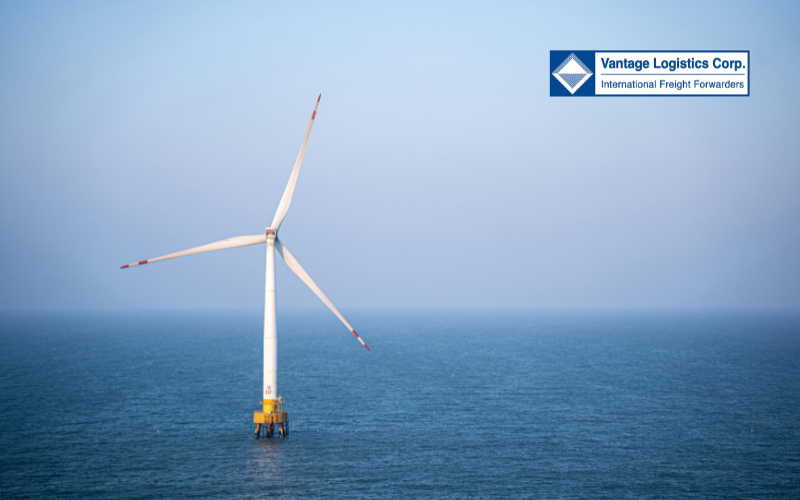
Within its long-term development strategy, Viet Nam’s wind industry is exploring regional grid interconnection and green energy export initiatives within the ASEAN region.
Conclusion
The shift toward larger turbines, deepwater migration, BESS integration, localized manufacturing of marine structures, and cross-border power transmission indicates that Viet Nam’s wind industry is entering a more mature, technologically sophisticated phase of development. Proactively preparing grid infrastructure and aligning with these five key trends will be critical to achieving the long-term targets of the adjusted PDP8.
Contact VTLC for tailored transport solutions and competitive quotations.
Please provide details on cargo type, market, origin, destination, and estimated timeline.
|
Vantage Logistics Corp – South East Asia (S.E.A) Logistics Provider (The parent company of VTLC) One-Stop Shop For Integrated Logistics Services |
|
|
Head Office |
Viet Nam – Suite 6.01, Floor 6th, Block A, RiverGate Residence, 151-155 Ben Van Don, Khanh Hoi Ward, HCMC, Viet Nam |
|
Branch |
Thailand, Laos, Cambodia, Malaysia, Indonesia, Singapore |
|
Contact Us |
|
|
|
pro.sgn@vlc.com.vn |
|
Office Tel |
+84-28-36203611 |
|
Website |
https://vtlc.vn/ |
Send your shipment enquiry today and receive a tailored transport plan from the VTLC team

Leave a comment