A field assessment of high-potential marine zones, shipyard infrastructure readiness, and localized manufacturing capabilities driving Viet Nam’s offshore wind power targets.
According to market forecasts by the Global Wind Energy Council (GWEC), Viet Nam is projected to join the top five offshore wind power markets in the Asia-Pacific (APAC) region in terms of new installed capacity between 2031 and 2035. Unlike high-level discussions regarding raw resources or policy targets, realizing this Top 5 position depends entirely on tactical, on-the-ground execution.
This analysis examines the geographical distribution of key marine zones, specialized fabrication yard infrastructure, and practical engineering capabilities that define Vietnam’s actual industrial readiness.
1. Geographical Distribution of Offshore Wind Power Zones
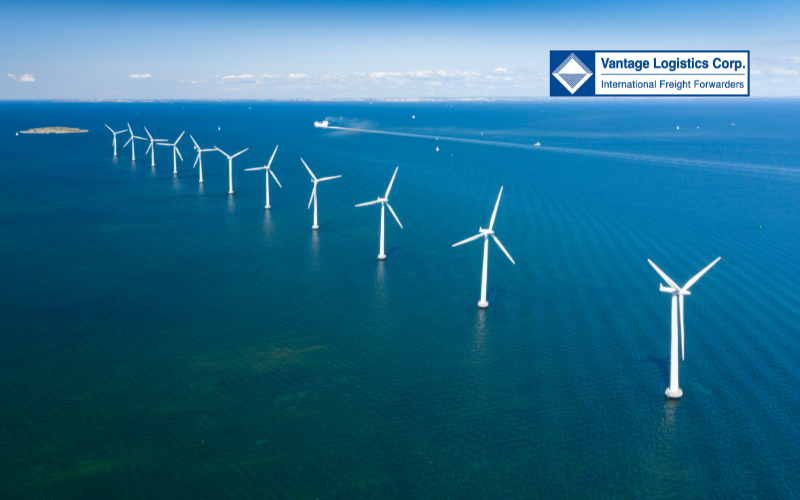
Viet Nam’s offshore wind power site surveys and developmental plans are concentrated in specific marine regions characterized by favorable natural wind resources and viable seabed conditions:
- The South-Central Corridor (Bình Thuận & Ninh Thuận): This region is widely recognized as Vietnam’s premier offshore wind power zone. Average wind speeds here consistently exceed 9 m/s at a 100-meter hub height. The seabed topography drops relatively fast, making this area the primary candidate for initial fixed-bottom projects and long-term deepwater floating wind power pilot programs.
- The Northern Gulf of Tonkin (Hải Phòng & Quảng Ninh): Characterized by shallow water depths of under 30 meters and proximity to major industrial load centers in the North, this zone is highly suitable for early-stage, fixed-bottom installations, which helps optimize construction costs and mitigate marine engineering risks.
- The Southern Shallow Waters (Bà Rịa–Vũng Tàu to Cà Mau): Featuring a wide and shallow continental shelf, this region is well-suited for intertidal nearshore wind power projects and moderate-scale fixed-bottom arrays, offering less complex oceanographic conditions for marine construction
2. Shipyard Infrastructure and Heavy Fabrication Readiness
A distinct advantage for Viet Nam within the regional supply chain is its existing industrial shipyard infrastructure, primarily concentrated in the Ba Ria–Vung Tau province. Originally developed to support the offshore oil and gas (O&G) industry, these facilities are being repurposed to serve utility-scale offshore wind power projects:
- High Ground-Bearing Capacities: Major marine engineering yards in Vung Tau feature extensive fabrication areas with ground-bearing capacities rated from 20 to 40 metric tons per square meter. This technical specification is mandatory for assembling, skidding, and loading out heavy steel structures, such as jacket foundations, which weigh between 1,000 and over 2,000 tons.
- Technical Fabrication Autonomy: Domestic contractors possess the capabilities to perform detailed engineering, heavy steel tubular rolling, specialized welding, and non-destructive testing (NDT). This technical proficiency has been proven through the successful fabrication and export of steel jacket foundations and offshore substations (OSS) for major wind power projects in Taiwan (China) and Europe.
- Deepwater Shipping Channels: Direct access to deepwater navigation channels allows heavy-lift transport and installation vessels to dock directly alongside the fabrication yards, minimizing marine logistics risks, transit times, and associated offshore transport costs.
3. Localization Status of the Industrial Supply Chain
For the offshore wind power sector, the capabilities of Viet Nam’s domestic supply chain are currently segmented into distinct component groups based on technical complexity:
- Highly Localized Components: Domestic manufacturers have established a stable track record of producing and exporting steel wind towers and complex jacket foundations that meet international technical standards. Additionally, local engineering firms have demonstrated full capability in handling the detailed design, structural fabrication, and mechanical-electrical integration of utility-scale offshore substations (OSS).
- Import-Dependent Components: Highly specialized equipment, such as turbine blades, gearboxes, generators, and nacelles, must still be imported from global Original Equipment Manufacturers (OEMs). Achieving self-sufficiency in these high-tech components remains a significant short-term challenge, requiring long-term technology transfer programs and strategic joint ventures.
Conclusion
GWEC’s projection of Viet Nam securing a spot among the top five APAC offshore wind power markets by 2031–2035 is supported by tangible natural resource advantages and established marine engineering infrastructure. Moving forward, finalizing the regulatory frameworks for marine spatial allocation, upgrading transmission grids, and optimizing the local marine service supply chain will be the decisive factors in turning the targets of the adjusted PDP8 into operational assets.
Contact VTLC for tailored transport solutions and competitive quotations.
Please provide details on cargo type, market, origin, destination, and estimated timeline.
|
Vantage Logistics Corp – South East Asia (S.E.A) Logistics Provider (The parent company of VTLC)
One-Stop Shop For Integrated Logistics Services
|
|
Head Office
|
Viet Nam – Suite 6.01, Floor 6th, Block A, RiverGate Residence,
151-155 Ben Van Don, Khanh Hoi Ward, HCMC, Viet Nam
|
|
Branch
|
Thailand, Laos, Cambodia, Malaysia, Indonesia, Singapore
|
|
Contact Us
|
|
Email
|
pro.sgn@vlc.com.vn
|
|
Office Tel
|
+84-28-36203611
|
|
Website
|
https://vtlc.vn/ |
Send your shipment enquiry today and receive a tailored transport plan from the VTLC team.

Leave a comment