Auditing UN classifications, packaging specifications, and stowage protocols while coordinating multimodal transport compliant with dangerous goods regulations and offshore route conditions to Phu Quoc.
Supporting Technical Needs Behind APEC 2027 Mega-Projects
For international convention facilities, expanded airport terminals, and luxury resort developments serving the APEC 2027 Economic Leaders’ Week to achieve operational readiness, construction requires substantial volumes of specialized technical materials and industrial chemicals.
These critical inputs directly support key building and utility systems:
Depending on chemical composition, concentration, physical state, pressure, and packaging configuration, these consignments fall under statutory Dangerous Goods (DG) regulations. Identification and classification cannot rely on commercial trade names; they must be verified directly against the manufacturer’s Safety Data Sheet (SDS), international UN number, Proper Shipping Name (PSN), and assigned hazard Class/Division.
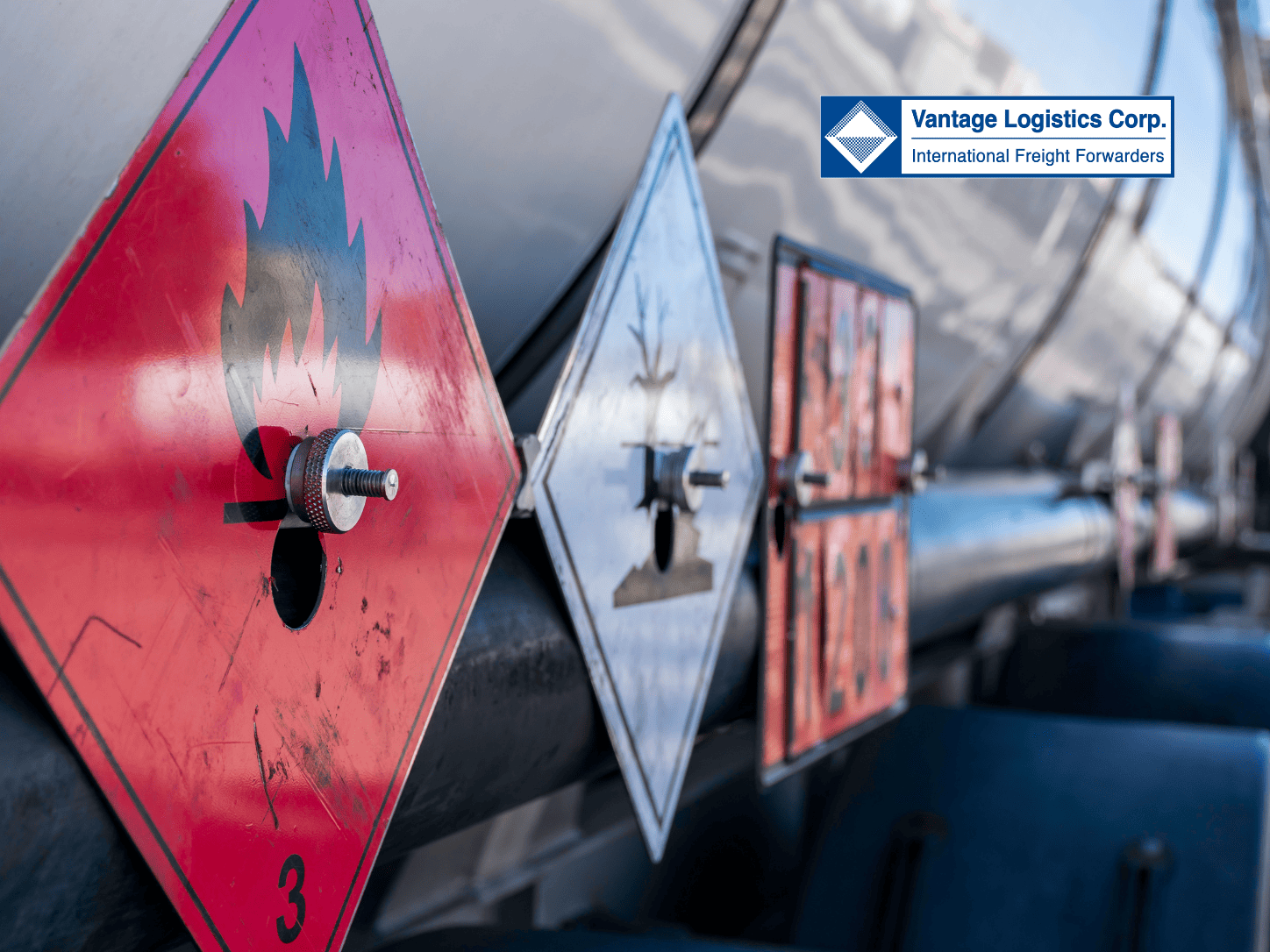
Three Core Risk Nodes in Offshore Dangerous Goods Logistics
Unlike standard general cargo or conventional mechanical and electrical (M&E) equipment, moving dangerous goods to an offshore destination like Phu Quoc is governed simultaneously by three layers of regulatory compliance:
Data across the standard 16-section SDS, UN number, hazard Class/Division, Packing Group (where applicable), and mandatory declarations – including the Dangerous Goods Declaration (DGD) – must remain consistent throughout the supply chain. Classification discrepancies frequently trigger requests for technical explanations, document amendments, or physical sampling at gateway ports, potentially disqualifying the consignment from scheduled onward transport legs.
Receptacles and intermediate bulk containers must meet applicable international performance standards (such as certified UN specification packaging) and maintain absolute physical integrity without leakage or structural deformation. For domestic inland transit, consignments and transport assets must satisfy statutory chemical declarations, fire safety requirements, and specialized dangerous goods road/waterway transport permits issued by competent authorities based on cargo hazard profiles and volume thresholds.
On maritime or inland waterway legs, cargo stowage must align strictly with the International Maritime Dangerous Goods (IMDG) Code, national maritime safety standards, and vessel operating licenses. Incompatible chemical classes cannot be co-loaded or positioned adjacent to one another; they must follow established segregation matrices based on specific UN numbers and reactivity profiles. Furthermore, because island terminals operate with limited hazardous material storage capacity, logistics plans must prioritize direct delivery – transferring cargo directly from marine vessels onto awaiting vehicles for immediate transfer to site laydown areas.
Vantage Logistics: Controlled Multimodal Coordination for Dangerous Goods
Recognizing the regulatory sensitivities and operational risks associated with hazardous technical cargo, Vantage Logistics (the parent company of VTLC – Vinh Tan Logistics) deploys a structured, multi-tier management workflow:
Reviewing the manufacturer’s SDS, confirming UN numbers, Proper Shipping Names, hazard Classes/Divisions, Packing Groups, and transport requirements before cargo departs the country of origin. Verifying that hazard warning labels, placards, and UN packaging certifications comply fully with international and transit regulations prior to vessel loading.
Assisting project owners, EPC contractors, and MEP specialists in clearing statutory chemical declarations, coordinating specialized inspections, and preparing requisite dangerous goods transport documentation compliant with applicable ministerial frameworks.
Collaborating closely with vessel and barge operators to review deck Stowage Plans. Ensuring strict compliance with chemical segregation tables, verifying protective tarping, ventilation, and cargo-securing arrangements, and confirming onboard emergency response equipment (including spill containment kits and specialized firefighting gear) tailored to the cargo profile.
Aligning vessel berthing windows with the dispatch of locally coordinated, DG-compliant transport vehicles. Transport corridors across the island are surveyed in advance to ensure materials are delivered safely to jobsite storage facilities within approved timeframes, avoiding civilian traffic congestion and tourist areas.
For dangerous goods and specialized technical equipment, logistics performance is measured not simply by transit speed, but by documentation accuracy, disciplined stowage protocols, and uncompromising environmental risk mitigation across every multimodal leg.
Leveraging extensive project cargo experience and an established multimodal network serving specialized destinations, Vantage Logistics partners with general contractors and engineering suppliers to design compliant, transparent, and secure transport frameworks supporting the delivery of APEC 2027 infrastructure in Phu Quoc.
Are you an EPC contractor, MEP specialist, or equipment supplier planning dangerous goods shipments to Phu Quoc? Contact Vantage Logistics to audit your SDS data, determine statutory permitting requirements, and engineer a compliant multimodal transport plan tailored to island operating conditions.
Contact VTLC for tailored transport solutions and competitive quotations.
Please provide details on cargo type, market, origin, destination, and estimated timeline.
|
Vantage Logistics Corp – South East Asia (S.E.A) Logistics Provider (The parent company of VTLC) One-Stop Shop For Integrated Logistics Services |
|
|
Head Office |
Viet Nam – Suite 6.01, Floor 6th, Block A, RiverGate Residence, 151-155 Ben Van Don, Khanh Hoi Ward, HCMC, Viet Nam |
|
Branch |
Thailand, Laos, Cambodia, Malaysia, Indonesia, Singapore |
|
Contact Us |
|
|
|
pro.sgn@vlc.com.vn |
|
Office Tel |
+84-28-36203611 |
|
Website |
https://vtlc.vn/ |
Send your shipment enquiry today and receive a tailored transport plan from the VTLC team.

Leave a comment